How to Build a High-Growth SaaS or FinTech Startup in Dubai (2026 Edition)

AI-Driven Innovation, Cashless Economy & Dubai’s Universal Blueprint for Artificial Intelligence Dubai’s Digital Leap: Why 2026 Is a Defining Year for SaaS & FinTech Dubai is no longer just a startup-friendly jurisdiction — in 2026, it is one of the world’s most digitally ambitious economies. The city has positioned itself at the intersection of artificial intelligence, financial innovation, and large-scale digital transformation, making it an ideal launchpad for SaaS, FinTech, and AI-driven startups. Through initiatives like the Dubai Universal Blueprint for Artificial Intelligence, the UAE government is actively embedding AI across public services, financial systems, infrastructure, and enterprise operations. At the same time, Dubai’s accelerated shift toward a cashless economy is fundamentally changing how payments, banking, lending, compliance, and financial services operate. At DubaiSetupNow, we work closely with SaaS founders and FinTech entrepreneurs who want to build scalable, investor-ready companies in Dubai. The startups that succeed are not just building good products — they are aligning their business model, licensing, compliance, and go-to-market strategy with Dubai’s long-term digital vision. Dubaisetupnow Dubai Universal Blueprint for Artificial Intelligence: A Growth Engine for Startups Dubai’s AI Blueprint is not a marketing document — it is a government-backed execution roadmap designed to integrate artificial intelligence into every layer of the economy. AI is being adopted across government services, finance, healthcare, logistics, real estate, retail, smart cities, and enterprise decision-making. For SaaS and FinTech startups, this creates real, immediate demand for AI-powered platforms such as: Automation and workflow SaaS tools Predictive analytics and data intelligence platforms AI-driven risk, fraud, and compliance engines Smart finance, RegTech, and GovTech solutions AI-enabled customer experience and decision systems Startups that align their product offerings with this AI-first ecosystem gain faster access to enterprise clients, government pilots, and strategic partnerships, giving them a significant growth advantage in 2026. Dubaisetupnow The Cashless Economy Shift: Why FinTech Is Exploding in Dubai Dubai’s transition toward a cashless, digital-first economy has accelerated rapidly. Government services, retail, transport, real estate, and even SME transactions are increasingly digital. This shift has unlocked massive opportunities for FinTech startups. In 2026, high-growth FinTech companies in Dubai are building: Digital payment gateways and merchant solutions that enable businesses to accept online and in-store payments seamlessly, integrate with POS systems, support multiple currencies, and comply with UAE regulations for fast, secure, and scalable transactions. Embedded finance and API-based banking products that allow non-financial platforms to offer payments, lending, cards, and financial services directly within their apps, powering SaaS, marketplaces, and super-app ecosystems across the UAE and GCC. Open banking and data-sharing platforms that securely connect banks, fintechs, and third-party providers, enabling real-time access to financial data, smarter credit scoring, personalized financial products, and regulatory-compliant data exchange. Digital wallets, BNPL, and lending tech that support cashless transactions, flexible consumer financing, instant credit decisions, and frictionless checkout experiences, aligning with Dubai’s fast-growing digital commerce and retail ecosystem. Blockchain-based settlement and remittance systems that reduce transaction costs, speed up cross-border payments, enhance transparency, and provide secure, decentralized alternatives for international transfers and digital asset settlement. Unlike many jurisdictions, Dubai’s regulators support innovation while enforcing clarity. For FinTech founders, this means innovation within a regulated, bankable environment — critical for long-term scale and investor confidence. Dubaisetupnow Structuring a SaaS or FinTech Startup in Dubai (What Founders Must Get Right) A high-growth startup in Dubai is built on correct structuring from day one. In 2026, success is no longer driven by product alone — it depends heavily on how well the business is licensed, regulated, and prepared to scale. Founders must carefully plan several critical elements at the setup stage, including: The right jurisdiction (free zone vs mainland), based on target markets, client base, regulatory exposure, and long-term expansion plans. The correct business activity and license type, ensuring alignment with actual operations, future pivots, and investor expectations. Regulatory exposure, especially for FinTech, SaaS handling financial data, or AI-driven platforms that may fall under sector-specific regulations. Corporate tax positioning, including eligibility for free zone benefits, qualifying income treatment, and long-term tax efficiency. Banking readiness, with clear business models, compliance documentation, and source-of-funds planning to avoid delays. Many startups fail or experience slow growth not because of weak products or lack of demand, but due to incorrect licensing, prolonged banking delays, or compliance gaps that block operations and fundraising. In Dubai’s 2026 ecosystem, structuring is as important as technology. At DubaiSetupNow, we help founders select startup-friendly free zones or mainland structures that are designed to support fundraising, rapid scaling, employee visas, and future regional or global expansion — ensuring your startup is built on a foundation that can grow with you. Dubaisetupnow Regulation, Compliance & Banking: The Startup Reality in 2026 In 2026, Dubai remains highly business-friendly — but it is firmly compliance-driven. SaaS and FinTech startups must be prepared to meet regulatory expectations from day one, especially as they scale and engage with banks, investors, and enterprise clients. AML & KYC expectations, requiring startups to implement strong customer due diligence processes, transaction monitoring systems, and internal compliance controls that align with UAE and international standards. Corporate tax registration and filings, including timely registration, accurate classification of income, and regular tax submissions to remain fully compliant and avoid penalties. Proper accounting and audits (where applicable), ensuring financial transparency, investor readiness, and alignment with regulatory and banking requirements, particularly for FinTech and revenue-generating SaaS platforms. Clear source-of-funds documentation for banking, with well-documented capital origins, ownership structures, and transaction flows to meet increasingly strict bank due diligence standards. Banking remains one of the biggest bottlenecks for FinTech startups globally. In Dubai, founders who plan banking alongside licensing and compliance — rather than as an afterthought — benefit from faster approvals, stronger banking relationships, and long-term operational stability. Dubaisetupnow Why Dubai Is Ideal for Scaling SaaS & FinTech Globally Dubai is uniquely positioned for startups that want to scale beyond one market. From a single base, founders can serve: The UAE market The wider GCC Africa, South Asia, and Europe Combined with zero personal income tax, strong IP protection,..
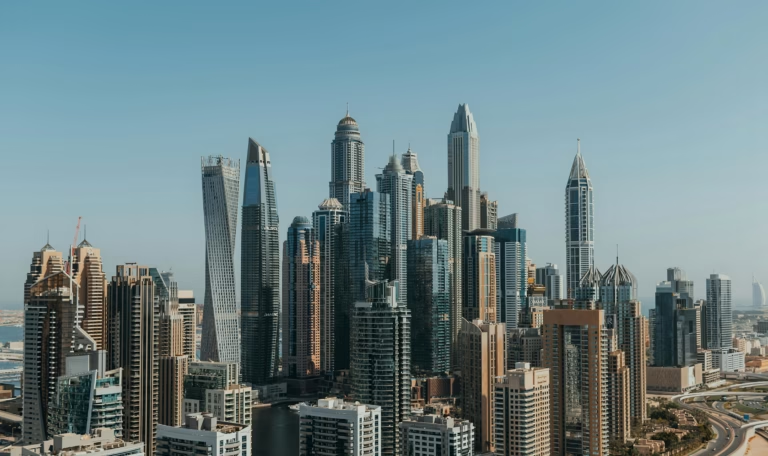
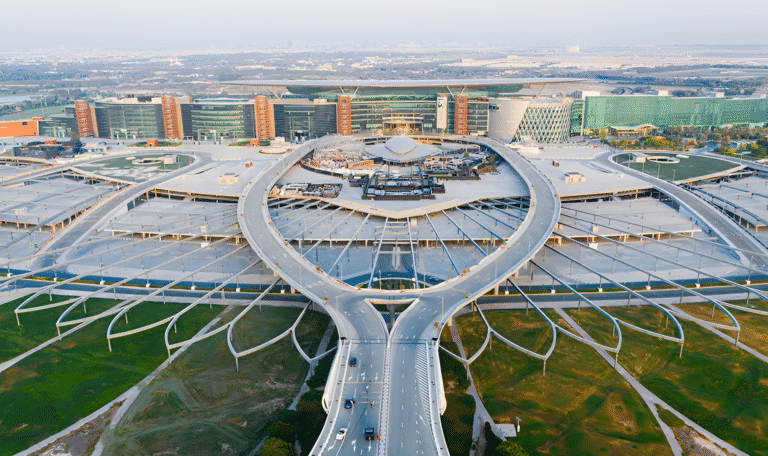
Why Dubai Is Becoming the Global Headquarters Capital in 2026

A Global Shift in Where Companies Base Their Leadership In recent years, Dubai has rapidly evolved from a regional business hub into a true global headquarters destination for multinational corporations, high-growth startups, family offices, and international founders. By 2026, this shift is no longer a passing trend — it has become a strategic decision driven by regulatory clarity, economic stability, geopolitical neutrality, and long-term business efficiency. Companies are increasingly choosing Dubai as the place where key decisions are made, leadership teams are based, and global strategies are executed. At DubaiSetupNow, we work closely with founders, C-suite executives, and global businesses that are relocating or establishing their headquarters in Dubai. What we consistently see is a change in mindset: companies are no longer choosing Dubai merely to “enter the Middle East market.” Instead, they are positioning Dubai as the central command hub for global operations, overseeing regional markets, international subsidiaries, cross-border trade, and strategic leadership from a single, well-structured base. Why Companies Are Moving Headquarters to Dubai Global businesses are increasingly rethinking traditional headquarters locations as they face rising corporate and personal taxes, regulatory uncertainty, political instability, and escalating operational costs in many established business hubs. In contrast, Dubai offers a predictable, stable, and pro-business environment, supported by clear laws, efficient governance, and policies specifically designed to attract and retain long-term corporate headquarters rather than short-term operations. Through our work at DubaiSetupNow, we see companies consistently choosing Dubai for its zero personal income tax, competitive and well-defined corporate tax framework, strong investor and shareholder protection, transparent compliance systems, and government-backed economic vision. For global leadership teams and decision-makers, Dubai provides something increasingly rare in today’s business climate: efficiency, certainty, and control — allowing companies to focus on growth, strategy, and global expansion without unnecessary disruption. Dubaisetupnow Dubai’s Strategic Advantage for Global HQ Operations Central global location connecting Asia, Europe, and Africa, enabling companies to manage regional and international markets from a single headquarters. This positioning reduces operational complexity and allows leadership teams to stay close to key global trade routes and emerging markets. World-class air and sea connectivity, anchored by Dubai International Airport and Jebel Ali Port, which provide unmatched access for executive travel, cargo movement, and international logistics. This infrastructure supports fast decision-making, frequent global engagement, and seamless cross-border operations. Time-zone efficiency that allows leadership teams to communicate with Asia in the morning, Europe in the afternoon, and North America in the evening — making Dubai one of the most efficient locations in the world for managing global operations within a single working day. Advanced digital and telecommunications infrastructure, supporting cloud-based operations, remote leadership, secure data management, and real-time collaboration across international offices and teams. Headquarters-friendly legal and corporate framework, offering flexible company structures, modern corporate laws, and regulatory clarity that support global governance, board-level decision-making, and international expansion strategies. Executive-focused visa and residency options, including long-term residency and investor visas designed to attract founders, board members, and senior leadership, allowing companies to relocate key decision-makers with ease and stability. Dubaisetupnow Why 2026 Is the Turning Point In 2026, Dubai offers something that has become increasingly rare in the global business landscape: certainty. Corporate tax laws are now clearly defined, compliance requirements are transparent and predictable, and banking frameworks have matured into stable, well-regulated systems. For global businesses and leadership teams, this clarity removes guesswork and allows for confident long-term planning. At DubaiSetupNow, we help companies structure their headquarters in a way that strategically aligns tax efficiency, regulatory compliance, banking readiness, and executive mobility. Businesses that plan their HQ relocation properly in 2026 are not merely reducing costs — they are future-proofing their global operations, strengthening investor confidence, and building leadership structures designed to scale across markets with stability and control. Dubaisetupnow How DubaiSetupNow Supports HQ Relocation Relocating or setting up a global headquarters requires far more than basic company registration. At DubaiSetupNow, we provide end-to-end strategic support to ensure your headquarters is structured for efficiency, compliance, and long-term global growth. Structuring the optimal HQ entity (mainland or free zone) by analyzing your operational model, leadership structure, target markets, and tax exposure to determine the most suitable jurisdiction for headquarters operations. Aligning corporate tax strategy with real business operations, ensuring your HQ setup is compliant with UAE corporate tax laws while remaining tax-efficient and scalable as the business grows. Managing executive visas and residency, including investor visas and long-term residency options, to enable founders, board members, and senior leadership to relocate smoothly and operate without disruption. Ensuring banking, compliance, and regulatory readiness, so your headquarters can open corporate bank accounts, meet AML/KYC requirements, and operate confidently within Dubai’s regulatory framework. Supporting long-term scaling and regional expansion, helping your headquarters structure adapt as you add new markets, subsidiaries, leadership teams, and regional operations across the UAE, GCC, and beyond. Dubaisetupnow Final Thought Dubai in 2026 is not just a place to do business — it is where global businesses choose to lead, scale, and make strategic decisions from.  Contact DubaiSetupNow today to structure your Dubai headquarters with clarity, compliance, and confidence — and build a leadership base designed for long-term global success.

Dubai Business Setup in 2026: What Changed, What Stayed & What You Must Know

Dubai has long stood out as one of the world’s most powerful and business-friendly destinations for entrepreneurs, investors, and global enterprises. With its strategic location connecting Asia, Europe, and Africa, a pro-business regulatory ecosystem, and forward-thinking government policies, Dubai continues to attract startups, SMEs, and multinational companies looking to establish and scale their presence internationally. As we move into 2026, Dubai’s business landscape has not become more complicated — it has become clearer, more structured, and more sustainable. Regulatory frameworks around corporate tax, compliance, banking due diligence, and licensing have matured, offering greater transparency, stronger investor protection, and long-term stability. These changes are designed to support serious businesses that are built to last — not short-term setups. At DubaiSetupNow, we help founders and companies navigate these changes with confidence. For anyone planning a business setup in Dubai in 2026, understanding what has changed, what has stayed the same, and what now matters most is critical to success. The right decisions at the setup stage directly impact tax efficiency, banking approvals, visa eligibility, compliance obligations, and future scalability. This guide breaks everything down in a simple, practical, and confusion-free way, ensuring your Dubai business journey starts on the right foundation — with clarity, compliance, and long-term growth in mind. What Changed in Dubai Business Setup by 2026 One of the biggest reasons businesses struggle or fail early in Dubai is choosing the wrong business structure during company setup. Many founders select a mainland, free zone, or offshore company based purely on cost, speed, or hearsay — without understanding how this decision affects corporate tax exposure, corporate banking approvals, visa eligibility, operational flexibility, and long-term scalability. In 2026, business structure directly impacts how much tax you pay, whether banks approve your account, how easily you can hire staff, and whether your business can legally operate as intended. Companies that later discover their structure restricts their activities or increases compliance costs often face expensive restructuring, re-licensing, or complete shutdowns. Choosing the right structure from day one is critical for survival beyond Year 1. Dubaisetupnow 1. Wrong Business Structure from Day One The biggest shift in recent years has been Dubai’s transition toward a more structured, compliance-driven, and globally aligned business environment. This evolution is not about adding complexity — it’s about creating clarity, long-term stability, and investor confidence. Dubai has moved from being seen purely as a fast setup destination to a jurisdiction that rewards well-planned, compliant, and sustainable businesses. One of the most significant changes is the introduction and stabilization of UAE Corporate Tax. While Dubai remains one of the most tax-efficient jurisdictions in the world, businesses in 2026 must now register for corporate tax, maintain proper accounting records, and file annual tax returns. Free zone companies may still legally benefit from 0% corporate tax on qualifying income, but only if they are correctly structured, operate within permitted activities, and meet compliance conditions. Tax planning is no longer an afterthought — it is now a core part of the business setup strategy. Another major shift is the tightening of compliance and transparency requirements. Authorities now place much stronger emphasis on Ultimate Beneficial Ownership (UBO) disclosures, AML and KYC checks, accurate business activity selection, and ongoing regulatory reporting. While this has increased scrutiny during licensing and bank account opening, it has also strengthened Dubai’s global reputation, making it a more trusted base for international trade, investment, and headquarters operations. Corporate banking has also become more selective and structured. In 2026, UAE banks expect businesses to present clear and logical business models, well-documented sources of funds, and compliance-ready corporate structures. Although this can mean longer approval timelines, it has significantly improved the quality, stability, and reliability of Dubai’s financial ecosystem. Businesses that plan banking alongside licensing and compliance now enjoy smoother operations and stronger long-term banking relationships. Dubaisetupnow What Stayed the Same (And Still Makes Dubai Powerful) Corporate Tax Is Now Standard Corporate tax is now a permanent and unavoidable part of business planning in Dubai. In 2026, all companies are required to register for UAE Corporate Tax, maintain proper accounting records, and file annual tax returns. While free zone businesses can still legally benefit from 0% corporate tax on qualifying income, this advantage is only available when the company is correctly structured, operates within approved activities, and meets all compliance conditions. Tax planning is no longer optional — it must be integrated into the business setup strategy from day one. Stricter Compliance & Transparency Compliance and transparency requirements have tightened significantly across all Dubai jurisdictions. Authorities now strictly enforce Ultimate Beneficial Ownership (UBO) disclosures, AML and KYC compliance, accurate business activity selection, and ongoing regulatory reporting. This increased scrutiny affects licensing, renewals, and corporate banking. While it requires better preparation, it has also strengthened Dubai’s position as a globally trusted and investor-friendly business hub. Tighter Licensing Scrutiny Business license approvals in 2026 are far more detailed and closely reviewed than in the past. Licensing authorities actively cross-check business activities, company descriptions, ownership structures, and submitted documentation. Any mismatch, vague information, or incorrect setup can result in delays, resubmissions, or rejection. Precision and accuracy at the licensing stage are now essential for fast approvals, operational freedom, and long-term scalability. More Selective Corporate Banking Corporate banking in Dubai has become more selective and risk-focused. UAE banks now require clear business models, documented sources of funds, transparent ownership structures, and compliance-ready operations before approving accounts. Although this may lead to longer approval timelines, it has improved the overall quality, stability, and reliability of banking relationships. Businesses that plan banking alongside licensing and compliance benefit from smoother operations and fewer disruptions. Dubaisetupnow What You Must Know Before Setting Up in 2026 In 2026, success in Dubai business setup depends less on speed and more on correct planning. Choosing the right jurisdiction (mainland vs free zone vs offshore) is more important than ever, as it directly impacts tax exposure, banking approvals, visa eligibility, and scalability. A wrong choice may not fail immediately — but it often creates..

To Top

Get Your Business License & 2-Year UAE Residency Visa –

From Only AED 5,999 Upfront!